

About the Company
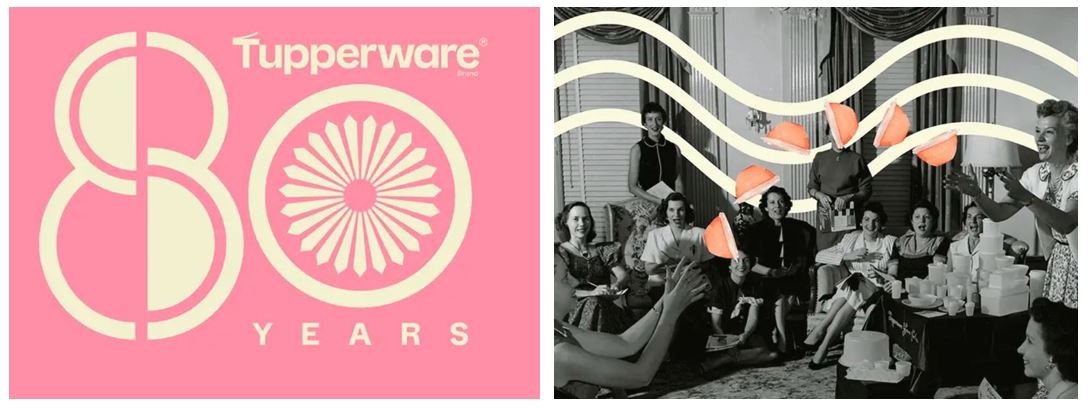
In 1946, chemical engineer Earl Tupper invented a revolutionary container, which later became known as the “Wonder Bowl”.
The container, made of polyethylene plastic, could be sealed with an airtight lid, allowing food to stay fresh much longer than in ordinary containers.
In 1951, Brownie Wise proposed to Earl Tupper that she would sell and promote his products by organizing housewives’ gatherings, which marked the beginning of the so-called “Tupperware demonstrations”. In 1962, these American food-storage containers finally appeared in Danish kitchens as well. Thanks to the continuous improvement of our products and the efforts of talented Tupperware consultants, today these stylish and modern kitchen accessories and tools can be found in almost every home.
“The Tupperware company has been known worldwide for over 60 years”
- Ranked among the world’s top five “pioneers” in the field of kitchenware manufacturing.
- 1 million consultants and managers worldwide.
- More than 1,000 types of products are manufactured in 14 factories (4 of them located in Europe).
- Every 2 seconds, a Tupperware presentation starts somewhere in the world.
Tupperware manufacturing
Fourteen factories ensure Tupperware’s competitive advantage in the market. Four of them are located in Europe – in France, Belgium, Portugal, and Greece. Tupperware’s high-tech center is located in France. The factory in Joué-lès-Tours was established in 1973 and remains the “flagship” in everything related to advanced technological development.
Facts and figures about the factory in France:
- 50 million products are distributed in France and 20 other countries (including European countries, Russia, and Turkey);
- Export share – 70%;
- 440 employees;
- The factory covers 44,000 m² (the warehouse occupies 22,000 m²);
- More than 1,000 molds out of 8,000 worldwide;
Selection of materials for Tupperware product manufacturing
Tupperware cannot ignore the discussions about the use of plastic materials that have recently intensified in the media. These discussions address materials containing harmful substances, and bisphenol A (BPA) and phthalates are often mentioned.
- Tupperware believes that material selection and safety are extremely important. We carefully follow ongoing debates and research results and choose only those materials for our products in which we are confident. For more than 60 years, Tupperware has been one of the most well-known and trusted brands in the household products market. Reliability will remain our top priority in the future.
- Tupperware products are made from materials that do not contain artificial plasticizers (phthalates), polyvinyl chloride (PVC), or polycarbonate – a type of plastic derived from the monomer known as bisphenol A (BPA).
